In today’s fast-moving, technology-driven world, businesses rely heavily on digital systems to run smoothly.
Data plays a key role in every company, helping with decision-making, customer service, and daily operations. But what happens if disaster strikes?
Cyber-attacks, natural disasters, or hardware failures can cripple a business, making it impossible to function.
This is where Disaster Recovery as a Service (DRaaS) comes in. For businesses in Nepal partnering with DataHub Nepal, DRaaS is not just a luxury it’s a necessity.
In this blog, we’ll explain what DRaaS is, its key components and benefits, and the challenges that may come with using it.
By the end of this guide, you’ll understand why DRaaS is essential for modern business continuity, especially in countries like Nepal, where infrastructure and resources are limited.
Table of contents
What is Disaster Recovery as a Service (DRaaS)?
Disaster Recovery as a Service (DRaaS) is a cloud-based solution that enables businesses to quickly recover their IT infrastructure, data and applications in case of disaster.
Consider it as a backup plan for your digital assets in case something goes wrong like server crashes, ransomware attacks or flooding.
DRaaS ensures your business can resume operations quickly with minimal downtime.
Simply put, Disaster Recovery as a Service (DRaaS) can be seen as having a backup plan for your backup plan.
Cloud storage doesn’t just involve keeping data safe – it provides an environment that is fully functional, ready to be activated quickly when necessary.
Nepal businesses face power outages, natural disasters such as earthquakes, and limited IT resources as regular threats; for these organizations DRaaS is an effective and cost-efficient solution to ensure business continuity.
How Does DRaaS Work?
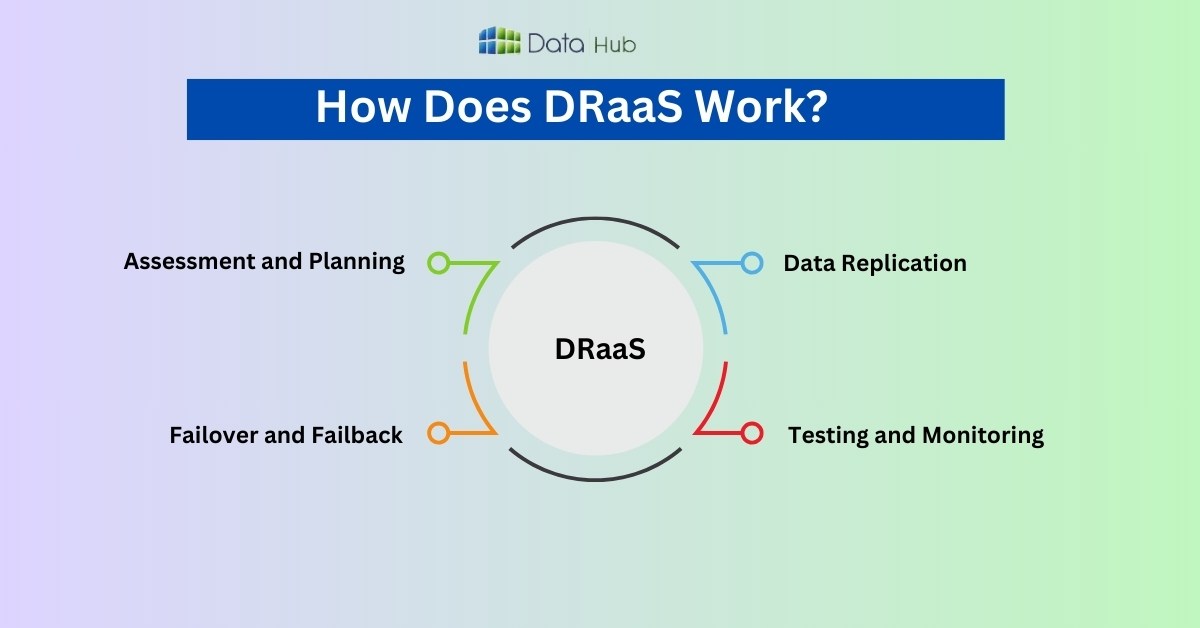
Disaster recovery as a service (DRaaS) works by replicating your entire IT environment (servers, applications and data) onto an offsite secure location typically the cloud.
Here’s a step-by-step breakdown on how this works:
1. Assessment and Planning:
To start, evaluate your business’s IT infrastructure to identify any critical systems or data that need protecting.
A recovery plan must then be created describing how and when these systems will be reinstated following any disasters.
2. Data Replication:
Your data is continuously backed up and replicated into a secure cloud environment, providing peace of mind should your primary systems fail, and an up-to-date copy of your data remains accessible to you.
3. Failover and Failback:
In the event of a disaster, operations are automatically switched over to your replicated environment in the cloud (failover).
Once primary systems have been restored, operations switch back over (failback).
4. Testing and Monitoring:
Regular tests should ensure that your disaster recovery plan works as intended, while monitoring tools provide continuous support by alerting you of any potential issues before they become more significant issues.
DataHub Nepal provides customized disaster recovery as a service solution Custom to Nepalese businesses, taking into account challenges such as limited bandwidth access and frequent power outages.
Why is DRaaS Important for Businesses in Nepal?
Nepal is a country with unique challenges when it comes to IT infrastructure.
Frequent power cuts, limited internet bandwidth, and the ever-present risk of natural disasters like earthquakes and floods make it difficult for businesses to maintain uninterrupted operations.
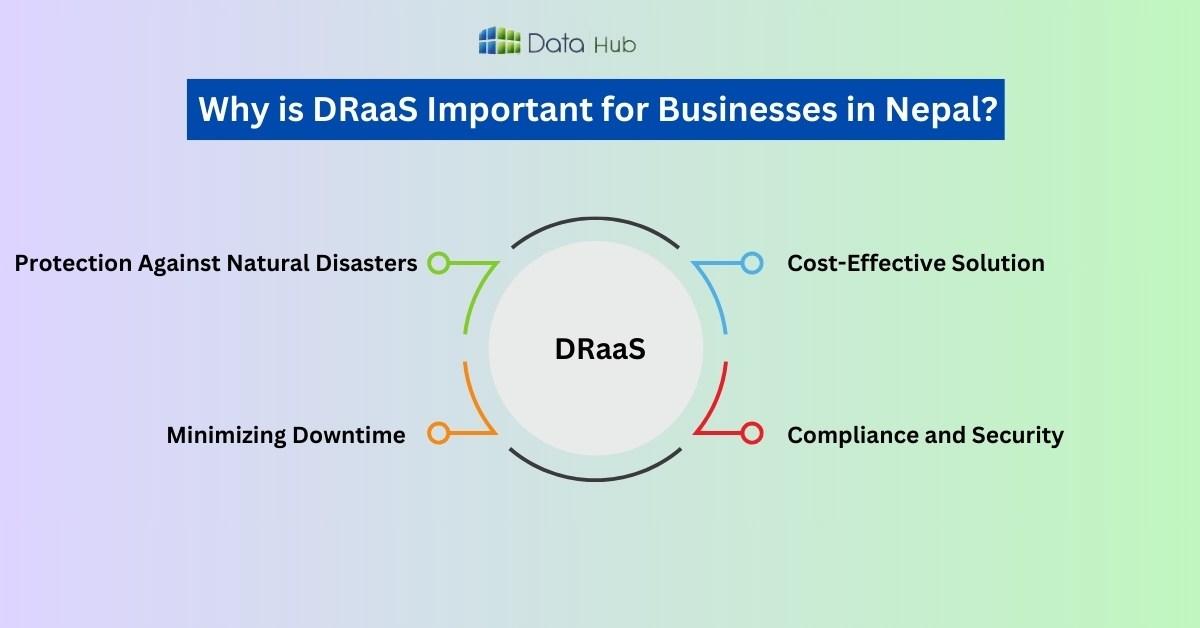
Here’s why DRaaS is particularly important in this context:
1. Protection Against Natural Disasters:
Nepal is prone to earthquakes, landslides, and floods.
These disasters can destroy physical servers and data centers, leading to significant data loss. DRaaS ensures that your data is safe in the cloud, even if your physical infrastructure is damaged.
2. Minimizing Downtime:
Downtime can be costly for businesses, especially in a competitive market. DRaaS allows businesses to recover quickly, minimizing the impact on operations and revenue.
3. Cost-Effective Solution:
Building and maintaining an in-house disaster recovery system can be expensive.
DRaaS offers a more affordable alternative, with pay-as-you-go pricing models that suit businesses of all sizes.
4. Compliance and Security:
Many industries have strict regulations regarding data protection and recovery.
DRaaS helps businesses comply with these regulations by providing secure, reliable backup and recovery solutions.
Challenges of Implementing DRaaS in Nepal
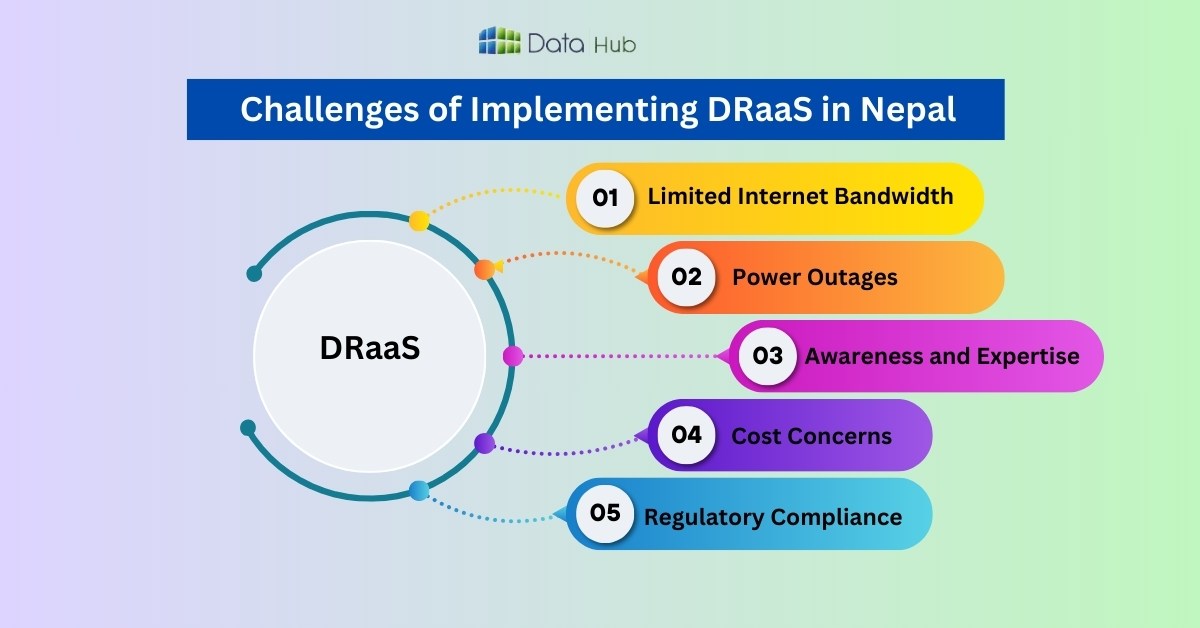
While DRaaS offers numerous benefits, implementing it in a country like Nepal comes with its own set of challenges:
1. Limited Internet Bandwidth:
Reliable internet connectivity is essential for DRaaS, as data needs to be continuously replicated to the cloud.
In Nepal, where internet bandwidth can be limited and expensive, this can be a significant hurdle.
2. Power Outages:
Frequent power cuts can disrupt the replication process, leading to incomplete backups.
Businesses need to invest in backup power solutions, such as generators or UPS systems, to ensure uninterrupted operations.
3. Awareness and Expertise:
Many businesses in Nepal are still unaware of the importance of disaster recovery.
Even those who are aware may lack the technical expertise to implement and manage DRaaS effectively.
4. Cost Concerns:
While DRaaS is generally more cost-effective than traditional disaster recovery solutions, the initial investment can still be a barrier for small and medium-sized businesses.
5. Regulatory Compliance:
Some businesses may be concerned about storing their data in offshore cloud servers due to data sovereignty issues.
It’s important to choose a DRaaS provider that complies with local regulations and offers data storage within the country, if required.
Threats to DRaaS Implementation
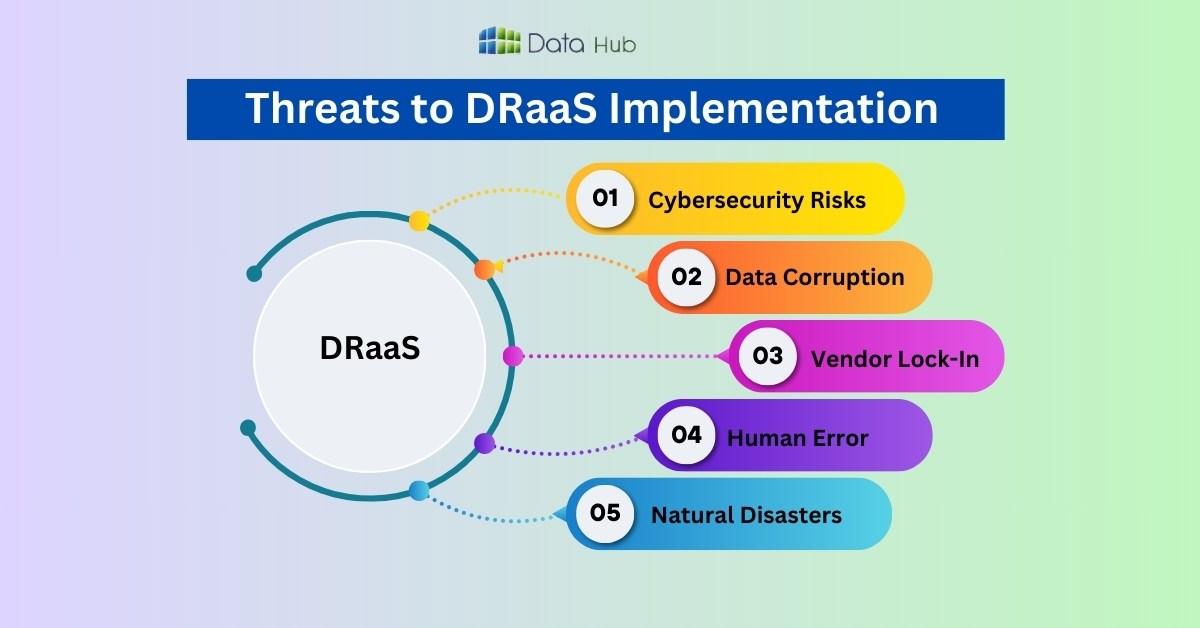
In addition to the challenges mentioned above, there are several threats that businesses need to be aware of when implementing DRaaS:
1. Cybersecurity Risks:
Storing data in the cloud makes it a target for cyberattacks.
Businesses need to ensure that their DRaaS provider has robust security measures in place, such as encryption and multi-factor authentication.
2. Data Corruption:
If data is not replicated correctly, it can become corrupted, rendering it useless in the event of a disaster.
Regular testing and monitoring are essential to prevent this.
3. Vendor Lock-In:
Some DRaaS providers use proprietary technologies that make it difficult to switch providers.
Businesses should choose a provider that offers flexibility and interoperability.
4. Human Error:
Misconfigurations or mistakes during the setup process can compromise the effectiveness of DRaaS.
Proper training and documentation are crucial to minimize the risk of human error.
5. Natural Disasters:
While DRaaS protects against data loss, it’s important to remember that natural disasters can also affect cloud data centers.
Businesses should choose a provider with geographically distributed data centers to mitigate this risk.
How can DataHub Nepal help?
For businesses in Nepal, partnering with a local DRaaS provider like DataHub Nepal can make all the difference.
Here’s how DataHub Nepal addresses the challenges and threats associated with DRaaS:
1. Local Expertise:
DataHub Nepal understands the unique challenges faced by businesses in Nepal and offers tailored solutions that take these into account.
2. Robust Infrastructure:
With state-of-the-art data centers and backup power solutions, DataHub Nepal ensures uninterrupted replication and recovery.
3. Affordable Pricing:
DataHub Nepal offers flexible pricing models that suit businesses of all sizes, making DRaaS accessible to everyone.
4. Protection and Compliance:
DataHub Nepal prioritizes data security and compliance, offering encryption, multi-factor authentication, and local data storage options.
5. Training and Support:
DataHub Nepal provides comprehensive training and support to help businesses implement and manage DRaaS effectively.
Conclusion
Disaster Recovery as a Service (DRaaS) has become an essential element of business continuity planning in Nepal, especially for companies operating internationally.
DRaaS provides your business with an effective, cost-efficient method for protecting its data and IT infrastructure against any unforeseen challenges, giving it an extra measure of protection in case anything unexpected comes its way.
Although DataHub Nepal understands the risks and hurdles of Disaster Recovery as a Service (DRaaS), partnering with us can help your business overcome them to ensure its future security.
Stay ahead of disaster by investing in Disaster Recovery-as-a-Service today, giving your business the necessary protection it requires.
FAQ
DRaaS is a cloud service designed to help businesses in recovering data and IT systems after events such as cyberattacks, power failures or natural disasters.
Your data is backed up in the cloud. If something goes wrong with your primary system, switching over to your backup can keep business operations moving smoothly.
Nepal faces power cuts, slow internet, and natural disasters. DRaaS ensures businesses recover quickly and avoid data loss.
No! It’s more affordable than setting up a full recovery system, and flexible pricing makes it budget friendly.
Yes! DRaaS is for businesses of all sizes. It keeps your data safe without needing costly IT infrastructure.
Yes! DRaaS stores secure backups so you can restore data after an attack.
Pick a provider with secure storage, fast recovery, affordable plans, and good customer support.